
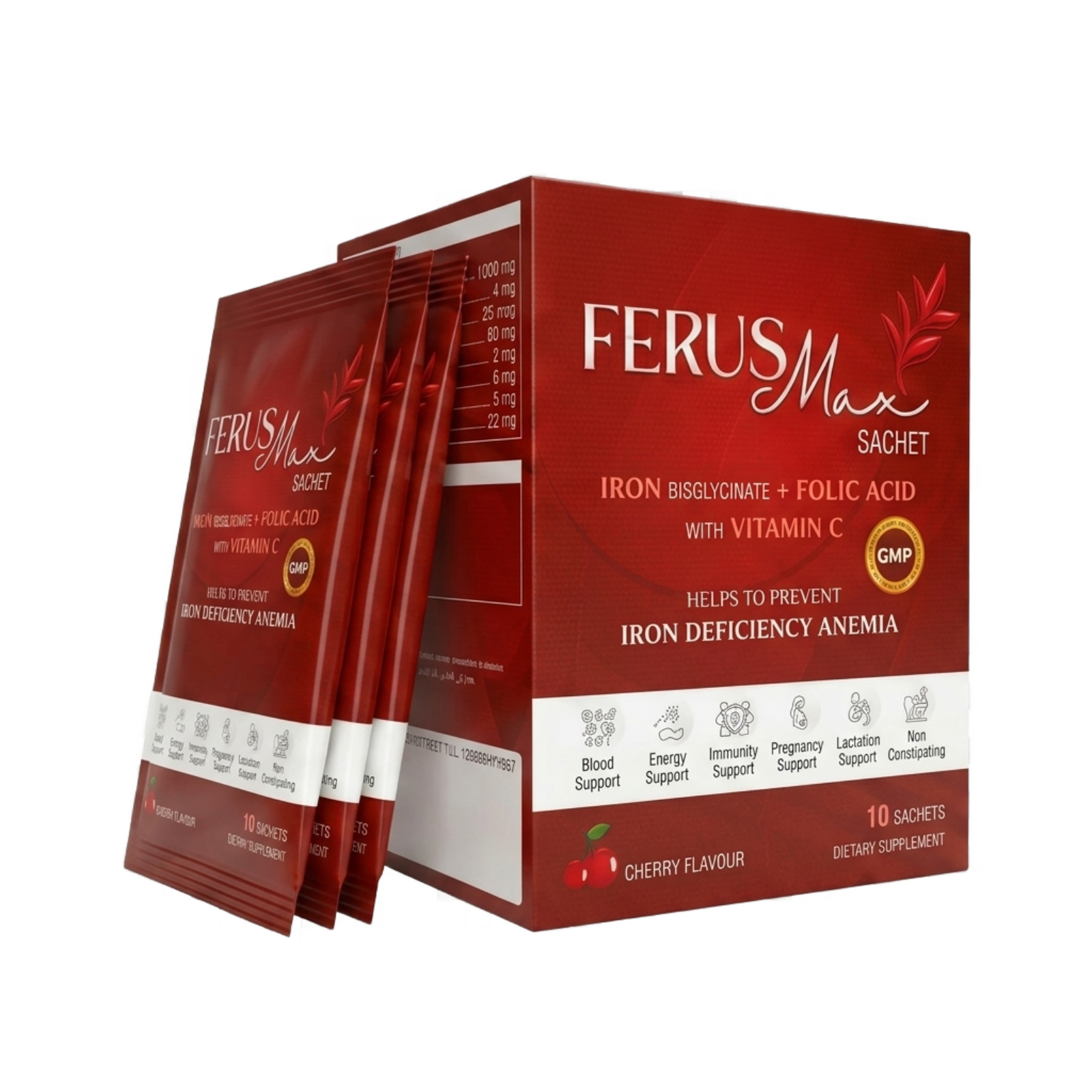
Iron deficiency anemia is one of the most common nutritional deficiencies worldwide — and one of the most overlooked. It develops when your body doesn’t have enough iron to produce adequate haemoglobin, the protein in red blood cells responsible for carrying oxygen throughout your body.
Common Signs to Watch For
- Persistent fatigue or low energy, even after a full night’s sleep
- Pale skin, especially noticeable on the face and inner eyelids
- Shortness of breath during everyday activities
- Dizziness or lightheadedness
- Brittle nails and hair thinning
- Unusual cravings for non-food items like ice or clay (a condition called pica)
Who Is Most at Risk?
Iron deficiency is particularly common among women of childbearing age due to menstrual blood loss, pregnant and lactating women whose iron needs increase significantly, growing children and adolescents, and people recovering from surgery, illness, or significant blood loss. Vegetarians and vegans can also be at higher risk since plant-based (non-haem) iron is less easily absorbed than iron from animal sources.
Why Absorption Matters as Much as Intake
Not all iron supplements are absorbed equally. Traditional iron salts can cause stomach upset, nausea, and constipation, which often leads people to stop taking them altogether. This is why gentler, highly-absorbable forms like Iron Bisglycinate — combined with Vitamin C to further boost absorption and Folic Acid to support healthy red blood cell formation — have become a preferred choice for many patients and physicians.
Simple Steps to Support Healthy Iron Levels
- Get a simple blood test if you suspect low iron — don’t self-diagnose based on symptoms alone.
- Include iron-rich foods like lean meat, spinach, lentils, and fortified cereals in your diet.
- Pair plant-based iron sources with Vitamin C (like citrus fruit) to improve absorption.
- If recommended by your doctor, choose a well-absorbed, gentle supplement rather than pushing through digestive discomfort.
If you suspect you may be iron deficient, please consult your physician for proper diagnosis and guidance before starting any supplement.