
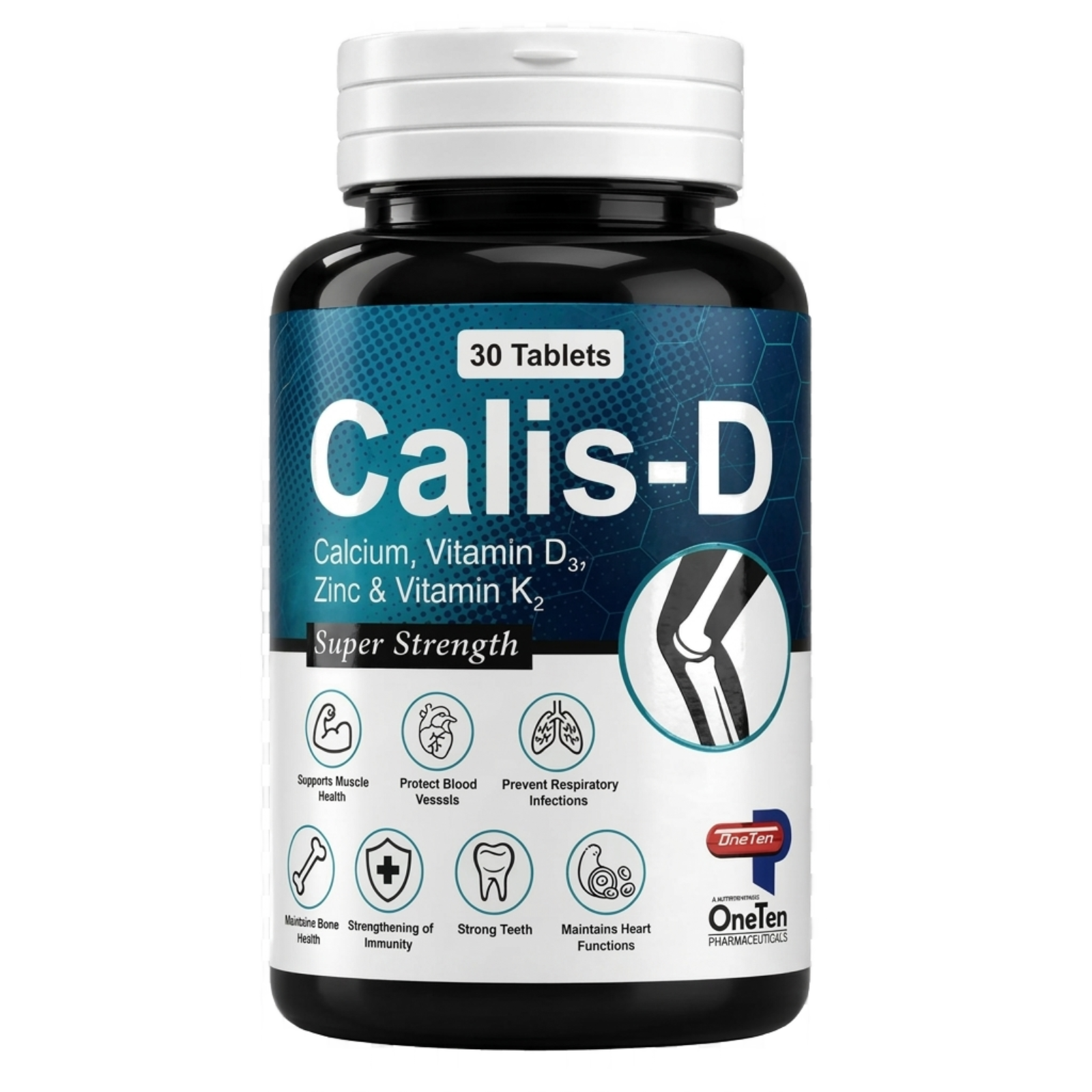
Bone health is often something we only think about later in life — but bone density is built over decades, and the nutrients you give your body today directly affect how strong your bones remain as you age.
Why Calcium Alone Isn’t Enough
Calcium is the most abundant mineral in the body, with 99% of it stored in bones and teeth. But calcium can’t do its job alone — your body needs help absorbing it and directing it to the right place.
- Vitamin D3 significantly improves how efficiently your gut absorbs calcium from your diet or supplements.
- Vitamin K2 acts like a traffic controller, directing calcium into your bones and teeth — and away from your arteries, where calcium build-up is not helpful.
- Zinc supports normal skeletal growth and plays a role in bone tissue regeneration.
- Magnesium works alongside calcium and Vitamin D to maintain healthy bone density.
Signs Your Bones Might Need Support
Early bone density loss often has no obvious symptoms, which is why it’s sometimes called a “silent” condition. Risk factors to be aware of include a family history of osteoporosis, a diet low in dairy or calcium-rich foods, limited sun exposure (a key source of natural Vitamin D), and age-related hormonal changes, particularly after menopause.
Beyond Bones: A Wider Role
This same combination of nutrients supports more than just skeletal strength. Vitamin B1 (thiamine) helps maintain immunity and muscle tone, while healthy calcium and magnesium levels contribute to normal muscle function and cardiovascular health — making a well-rounded bone-support formula useful well beyond bone density alone.
Simple Habits for Long-Term Bone Health
- Include dairy, leafy greens, and fortified foods in your regular diet.
- Get sensible, regular sun exposure to support natural Vitamin D production.
- Stay active — weight-bearing exercise like walking is one of the best things you can do for bone density.
- If your diet falls short, ask your doctor about a combined Calcium, Vitamin D3, Zinc & K2 supplement.
Please consult your physician before starting any supplement, particularly if you have kidney issues or are taking blood-thinning medication, as Vitamin K2 can interact with certain treatments.